Enjoying those cozy, crackling winter fires is one of the best parts of homeownership—but your chimney does ask for a little attention in return. That brings us to tuckpointing 101. When chimney mortar starts to wear out, timely repairs can save you from much bigger and far more expensive problems later.
Most chimney bricks can last well over 100 years, but mortar is a different story. Even under ideal conditions, mortar may last about 25 years before it begins to crack, crumble, or fall away. That’s why regular chimney inspections are so important. By catching mortar damage early, a simple repair, such as tuckpointing or repointing, is usually sufficient rather than a partial—or full—chimney rebuild.
 Mortar Versus Moisture
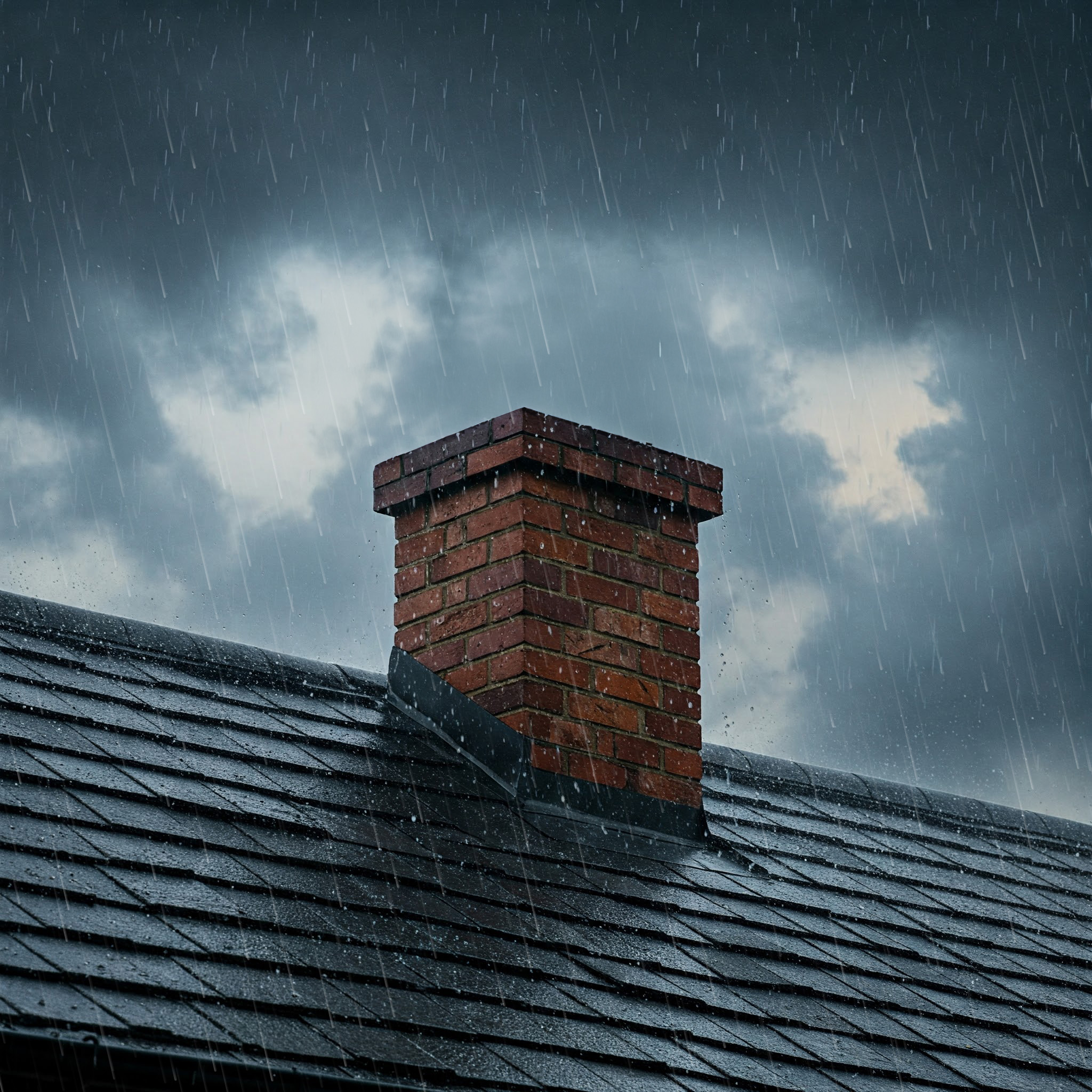
Mortar is the material between the bricks that holds your chimney together. Think of it as the glue that keeps everything strong, stable, and standing tall. It also helps keep moisture out of the masonry system.
Once the mortar starts to break down, rain and snow can seep into the chimney brickwork. This is where trouble really begins. During colder months, trapped water freezes and expands, then thaws and contracts. That constant movement weakens the bricks, leading to cracking, flaking, and spalling. Once bricks are damaged, repairs become much more serious—and much more expensive.
Preventing water intrusion is the real goal. Replacing failing mortar early is far easier on your wallet than rebuilding damaged masonry later.
What Is Repointing?
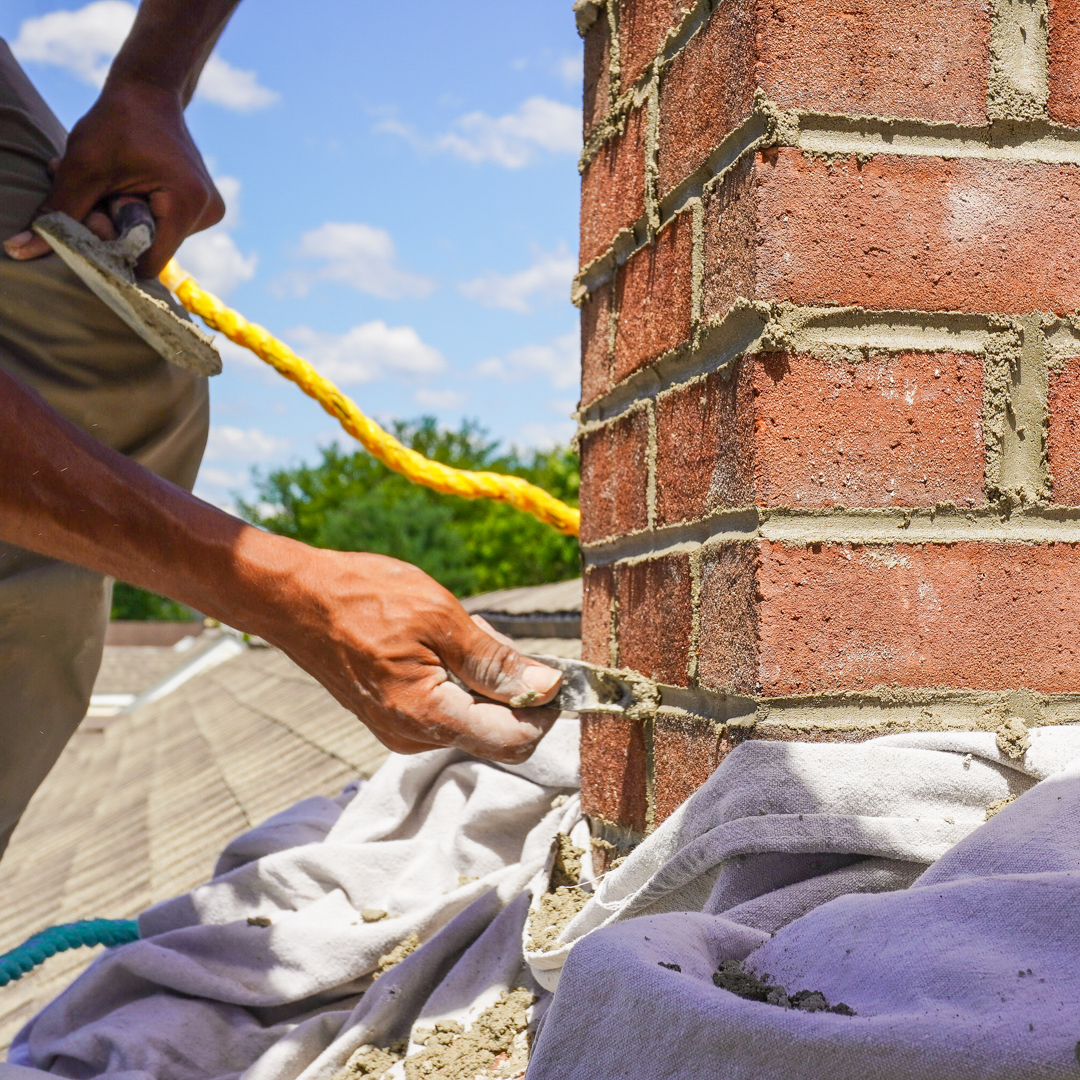
Repointing is a common type of chimney masonry repair. It involves removing old, damaged mortar and replacing it with fresh mortar to restore strength and protection.
This process is mostly practical rather than decorative. It helps seal gaps, improve structural stability, and stop moisture from entering the chimney. Repointing is the “let’s fix this before it gets worse” option—and your future self will thank you.
What Is Tuckpointing?
Tuckpointing does the same important repair work as repointing, but with a little extra style. After damaged mortar is removed, fresh mortar is applied and carefully blended to match the surrounding brick.
Then, a thin contrasting line is added to create the appearance of neat, narrow mortar joints. The result is a cleaner, sharper, more polished look. Tuckpointing improves both function and appearance, making it a great option if your chimney could use a cosmetic refresh along with repairs.
Which Mortar Replacement Does Your Chimney Need?
This is where the answer gets a little fun—it depends on what you want. Both tuckpointing and repointing solve mortar problems and protect your chimney from moisture damage.
If your main goal is strong, reliable masonry repair, repointing may be the perfect choice. If you’d also like your chimney to look refreshed and more visually appealing, tuckpointing may be worth the upgrade.
The most important thing is acting before moisture reaches the bricks. Once water gets inside the masonry, simple mortar replacement is likely no longer an option.
 A trusted chimney professional can help you decide which service is the best fit for you. Either way, keeping up with chimney care means safer fires, fewer repairs, and a much happier fireplace season.
Contact Chimney Sweep Inc. for Tuckpointing and Repointing
Chimney Sweep offers the full range of chimney services to homeowners and business owners throughout San Diego. Now that you have learned the basics of tuckpointing, schedule an annual chimney inspection. The alternative is a neglected chimney, which is more likely to require masonry rebuild services due to moisture damage. Contact us today by calling or filling out our contact form for flashing repair, masonry repair, chimney cleaning, fireplace installation, chimney liner repair, flue liner replacement, tuckpointing, repointing, and more.