“Freeze-Thaw” Warning: January’s Silent Killer
With freeze warnings posing a risk to masonry chimneys in San Diego County, homeowners are advised to schedule a chimney inspection before January. This is especially important for those in mountain communities such as Palomar, Valley Center, Alpine, and Rincon, where several inches of snow often accumulate during the winter months. During this period, the freeze-thaw cycle can cause bricks and mortar to crack, exposing occupants to a silent killer: carbon monoxide fumes.
What is the Freeze-Thaw Cycle
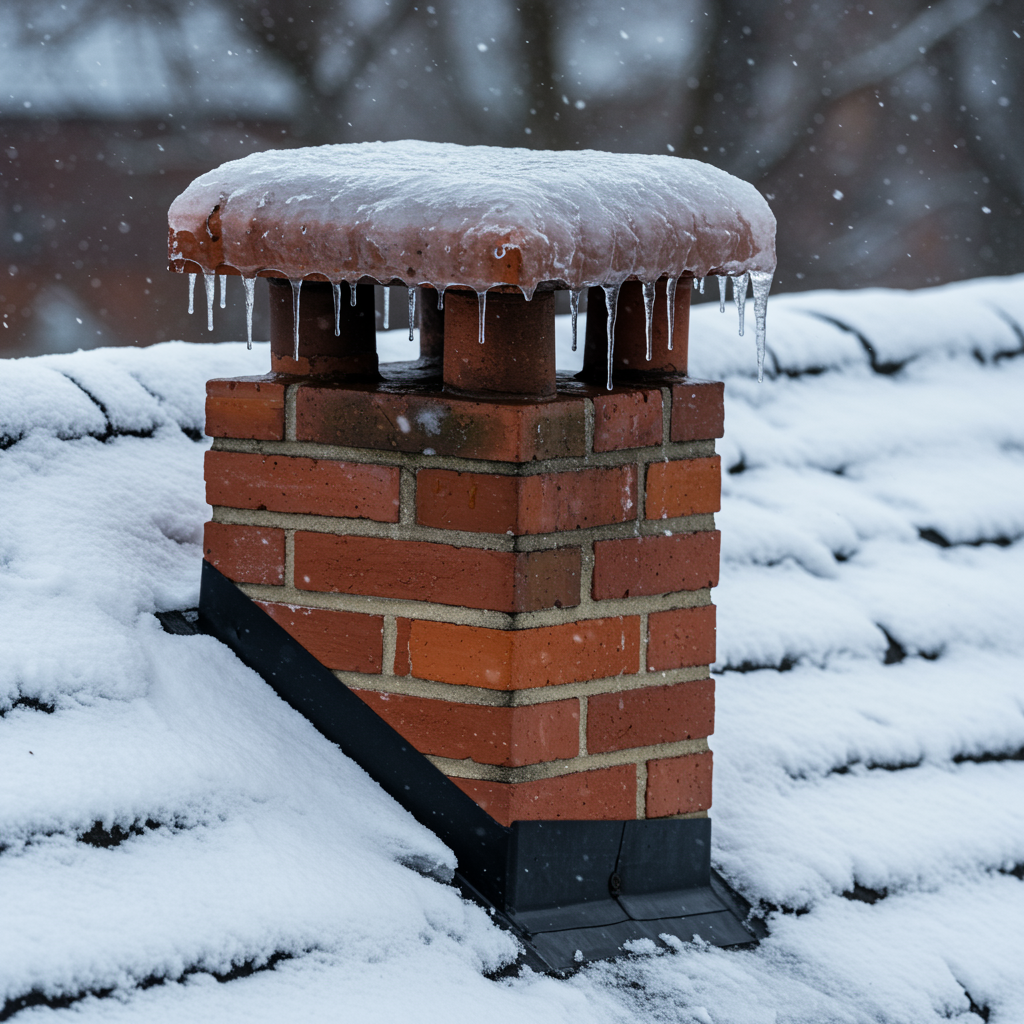 Masonry materials like brick, stone, and mortar are porous and absorb precipitation like a sponge, eventually leading to a severe structural hazard. When temperatures freeze overnight, trapped water in brickwork or stonework turns to ice. As the ice crystals expand, the masonry cracks under immense pressure. During thawing afternoons, additional rain seeps deeper into the spongy layers, forming new, larger cracks. This cycle repeats throughout the winter, eventually causing the brick and mortar to flake, crumble, and spall.
How Winter Weather Can Damage Masonry Chimneys
The chimney cap and crown act as the exterior defense for the masonry. When damaged, rainwater can seep into the interior, accelerating damage to masonry walls and metal components. Additionally, if the liner—a critical part of your chimney’s internal defense system—has cracks, it can allow toxic gases, including carbon monoxide, to leak into your living space.
The Silent Killer: Carbon Monoxide Poisoning
Carbon Monoxide (CO) is a colorless, odorless, and tasteless gas. Poisoning can occur when a heating appliance—such as a gas fireplace, wood stove, or gas water heater—is used while the venting system is compromised by freeze-thaw damage.
When a chimney’s structural integrity is diminished, it reduces the “draft,” causing CO to backflow into the living space. Without a working detector and a sound chimney, your family is at risk of lethal exposure. Tragically, many people fall asleep in the winter and never wake up due to an unknown CO leak.
Signs of Freeze-Thaw Damage
Some of the signs that your masonry chimney may have freeze-thaw damage include:
- Spalling: Finding flakes or chunks of brick on the ground or roof is a tell-tale sign of masonry damage.
- Efflorescence: A white, powdery stain on the exterior of the chimney, typically appearing after rain. It is often the first sign that the brickwork is absorbing moisture.
- Shifting or Leaning: A chimney that is pulling away from the house indicates a severe structural hazard and is at risk of collapse.
- Decaying Mortar: Visible gaps or cracks in the joints between bricks indicate water is eroding the compound that holds the bricks together.
Protecting Your Chimney from Freeze-Thaw Damage
To help protect your chimney from winter damage, we recommend the following:
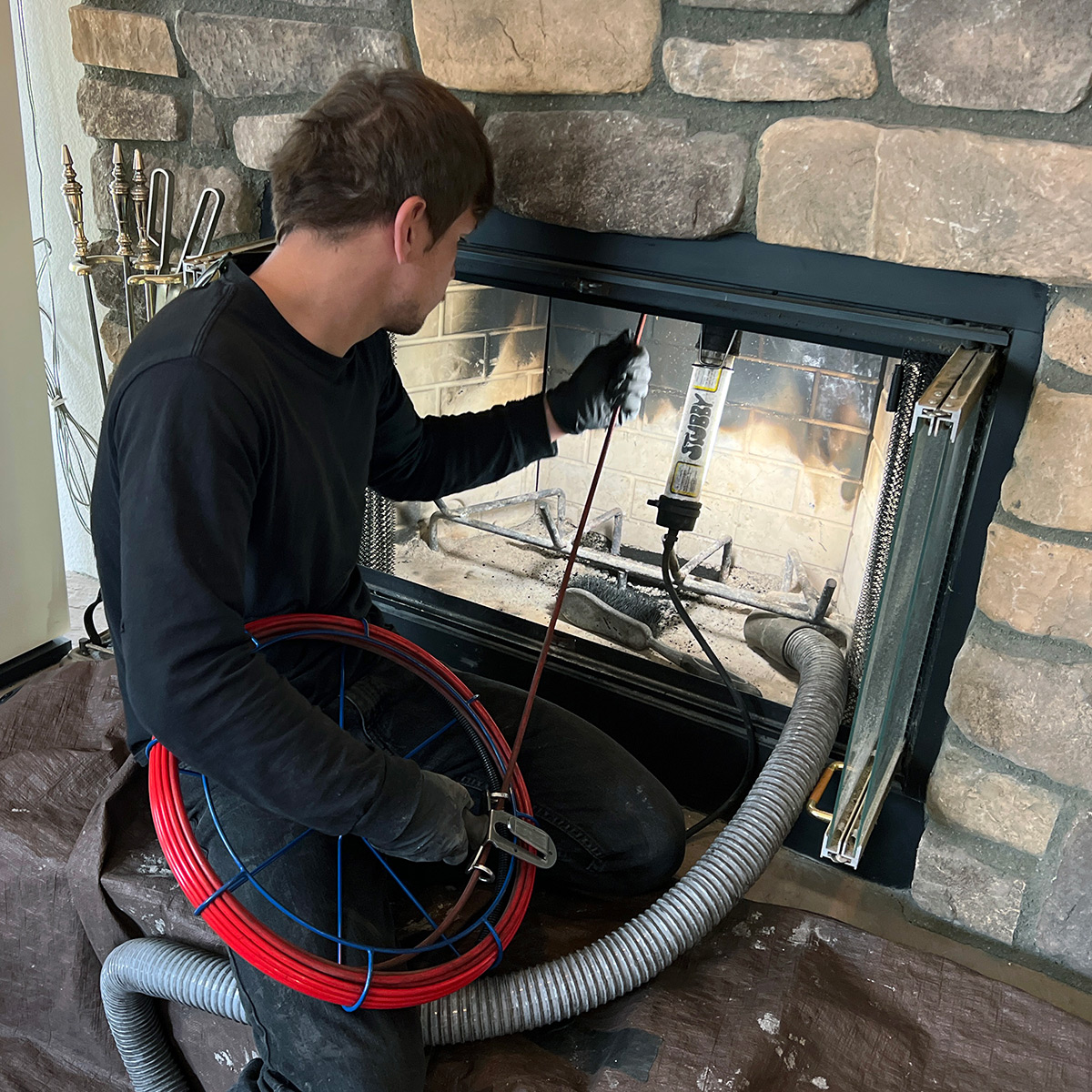
- Annual Inspections: The National Fire Protection Association (NFPA) recommends annual chimney inspections. This checkup allows our technicians to identify and repair minor cracks and other hazards before they become more menacing.
- Masonry Repairs: Make the recommended masonry repairs, such as crown sealing, tuckpointing, or flue relining, before the wet and cold winter season.
- Waterproofing: Apply a vapor-permeable professional water repellent to protect the exterior masonry from future water damage.
Call Chimney Sweeps Inc. for Freeze-Thaw Inspections and Repair in San Diego County Today
Protect your home and family from the “silent killer!” Let our qualified and experienced professionals conduct a licensed chimney inspection before the winter freeze-thaw cycle begins. We will ensure that your chimney, vents, and connected heating appliances are structurally sound, clean, and free from health or safety hazards. We proudly serve the San Diego area, including Carlsbad, Fallbrook, San Marcos, Chula Vista, and Escondido. Contact us today to schedule a visit with a fully certified chimney sweep.