Are You Using Your Damper Correctly?
If you own a fireplace, especially a traditional wood-burning one, there’s a small metal piece that makes a huge difference in how safe and efficient the fireplace is and how comfortable you are: the fireplace damper.
But many homeowners don’t know what these are or how to use them properly. Here’s what a damper is and why it matters when you use them the right way.
First, What is a Damper, Anyway?
 A damper is a movable metal plate located inside your chimney flue. Its job is simple: control airflow.
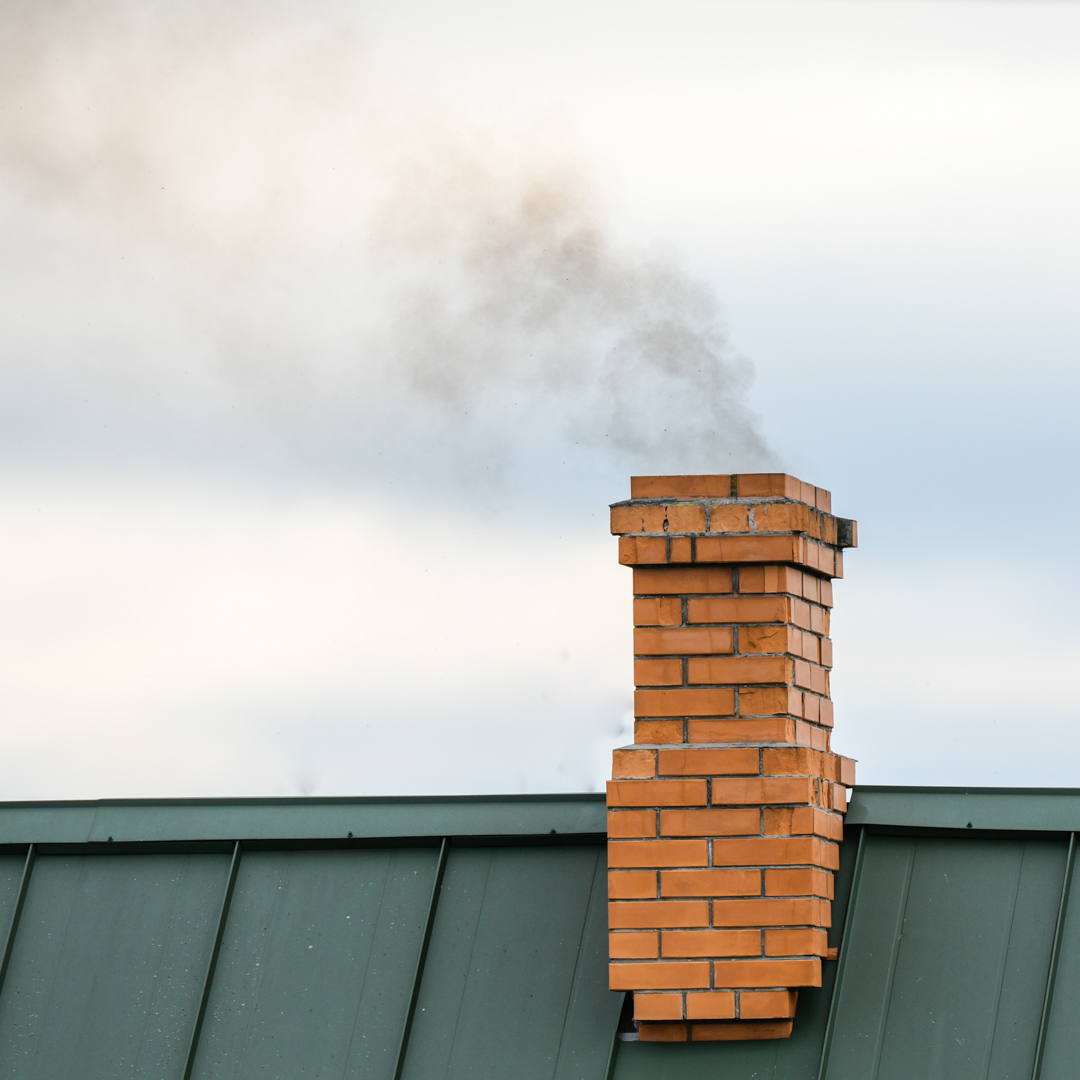
When the damper is open, smoke, gases, and heat can rise through the chimney and exit your home. When it’s closed, it seals the flue to prevent outside air from entering and conditioned air from escaping.
There are two common types:
- Throat dampers – Located just above the firebox.
- Top-sealing dampers – Installed at the top of the chimney and operated by a cable.
Regardless of the type, the function is the same: regulate airflow and protect your home.
Why It’s Important to Use Your Damper Correctly
Safety-If the damper is closed or only partially open when the fire is burning, smoke and dangerous gases, such as carbon monoxide, can back up into your home. That’s unpleasant and hazardous. Good airflow ensures the smoke rises and exits the chimney as it should.
Heating Efficiency-If the damper is open after the fire goes out, it is the same thing as having a window open in the ceiling. Warm air escapes, and cold air drops down the chimney into the living room. That means needing your furnace more to keep you warm and higher utility bills, or simply living in a colder house.
Closing the damper when the fireplace isn’t in use helps prevent energy loss.
Chimney Health-Incorrect damper use can contribute to creosote buildup. Poor airflow causes incomplete combustion, which makes more creosote. Creosote is highly flammable and can significantly increase the risk of a chimney fire.
Signs You’re Using the Damper Correctly
You Fully Open It Before Starting a Fire
Before lighting any fire, the damper should be completely open—not halfway.
A simple test:
- Look up into the flue with a flashlight.
- If you see the sky (or daylight), it’s open.
- If you see metal blocking the passage, it’s closed.
Some dampers pivot; others slide. Make sure you know which direction equals “fully open.”
Smoke Goes Up the Chimney, Not Into the Room
When the fire is burning:
- Smoke should move upward immediately.
- You should not smell excessive smoke indoors.
- The room should stay relatively clear.
If smoke spills into the room, the damper may not be fully open—or there may be a drafting issue that needs professional attention.
You Keep it Open Until the Fire is Completely Out
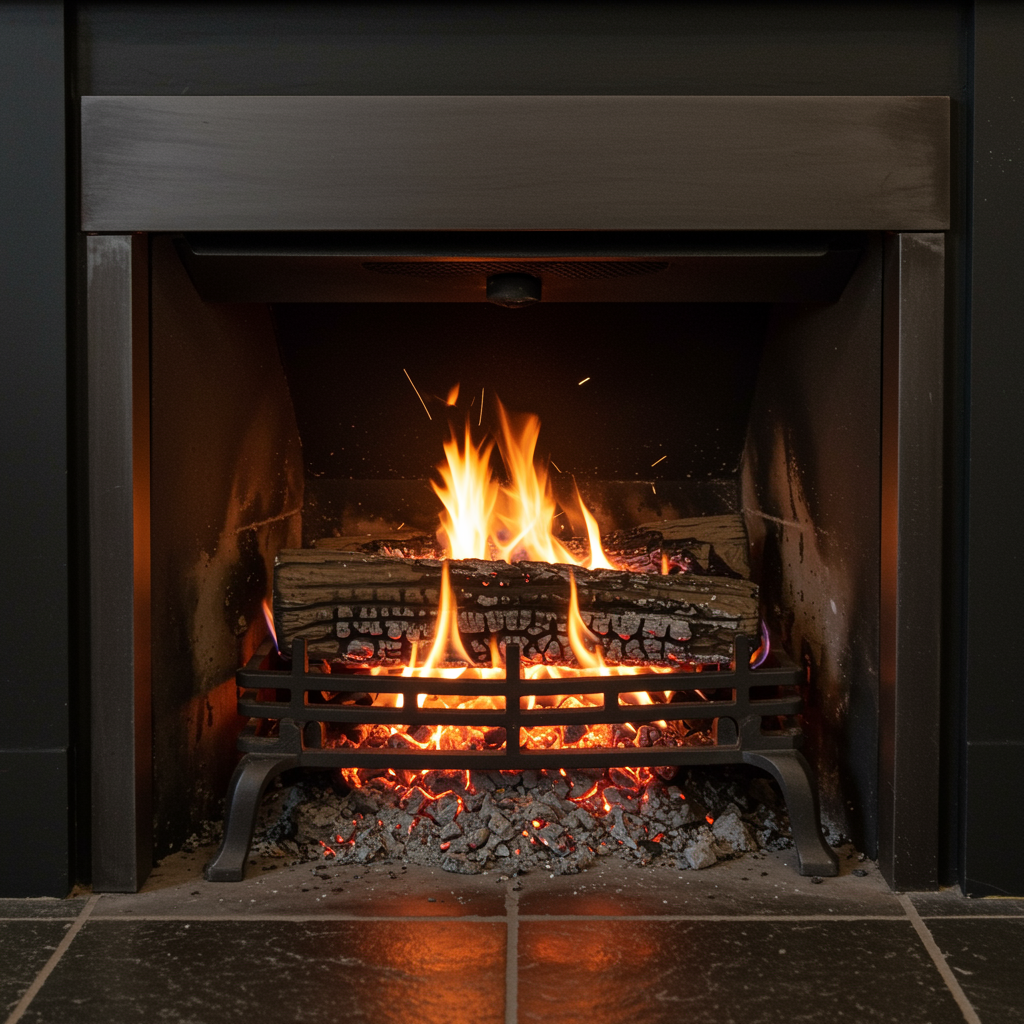
 Even after the flames die down, hot embers continue to put out smoke and gases. The damper should stay open until all embers are completely extinguished, no heat is emanating from the firebox, and the ashes are cool to the touch. Closing it too early can trap smoke and carbon monoxide inside.
You Close it When You’re Not Using it
Once everything is cool, you close the damper. You can tell if you’ve accidentally left it open by feeling a cold draft coming from the fireplace, noticing your heater is running more often, or hearing outside noises through the chimney.
Need Damper Help? Call Chimney Solutions!
Whether you need your damper fixed or replaced, or need a chimney cleaning, inspection, or anything else, you can rely on the experts at Chimney Solutions. We’re fully certified by the Chimney Safety Institute of America and the National Chimney Sweep Guild. Call us today!